

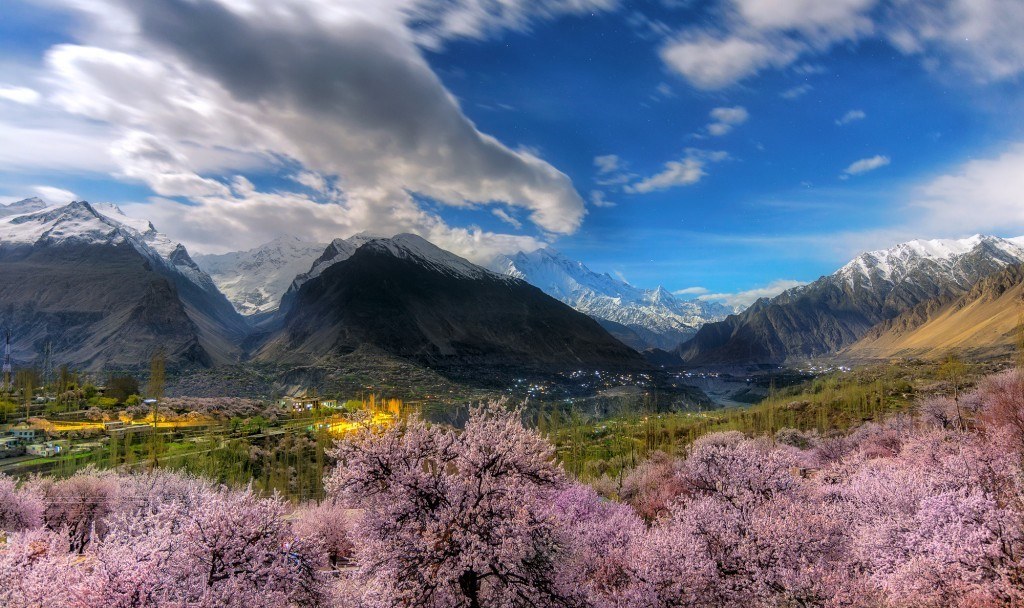
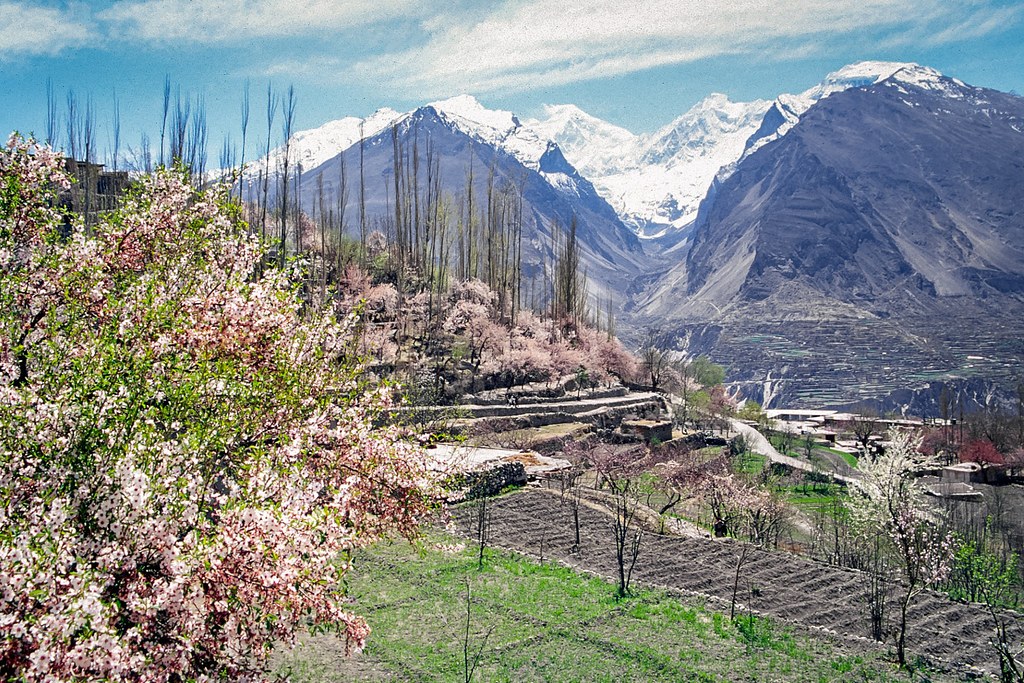
Discover the magic of spring in Hunza Valley, where blooming cherry and apricot orchards, ancient mountain villages and snow-covered peaks create one of Pakistan’s most breathtaking landscapes. There is something truly magical about spring in Hunza. After months of winter, the mighty Karakoram Mountains begin to welcome a new season. Snow slowly melts from the lower slopes, orchards awaken with delicate pink and white blossoms, and the traditional villages of Hunza come alive with colour, warmth and renewed energy. Cherry and apricot trees transform the valley into a natural garden, while the magnificent Rakaposhi, Ultar Sar and surrounding mountain peaks provide a spectacular backdrop.
From wandering through the historic streets of Karimabad to discovering the cultural beauty of Gulmit Village, watching the sunset from Eagle’s Nest and enjoying the turquoise waters of Attabad Lake, spring offers an unforgettable way to experience northern Pakistan. But why experience just one beautiful destination when you can discover two. Our 2027 spring journey combines the magical cherry blossom season of Hunza with the lush green landscapes, rivers and mountain scenery of Swat Valley, creating a truly memorable northern Pakistan adventure. Whether you are a photography enthusiast, a nature lover, a couple seeking a memorable escape or a family looking for a unique holiday, this journey promises an experience unlike any other. In this complete Hunza Spring Travel Guide 2027, we cover everything you need to plan your journey, including the best time to see cherry blossoms, weather conditions, must-visit places, activities, local food, packing essentials and a carefully planned 10-day itinerary by Hunza Adventure Tours.
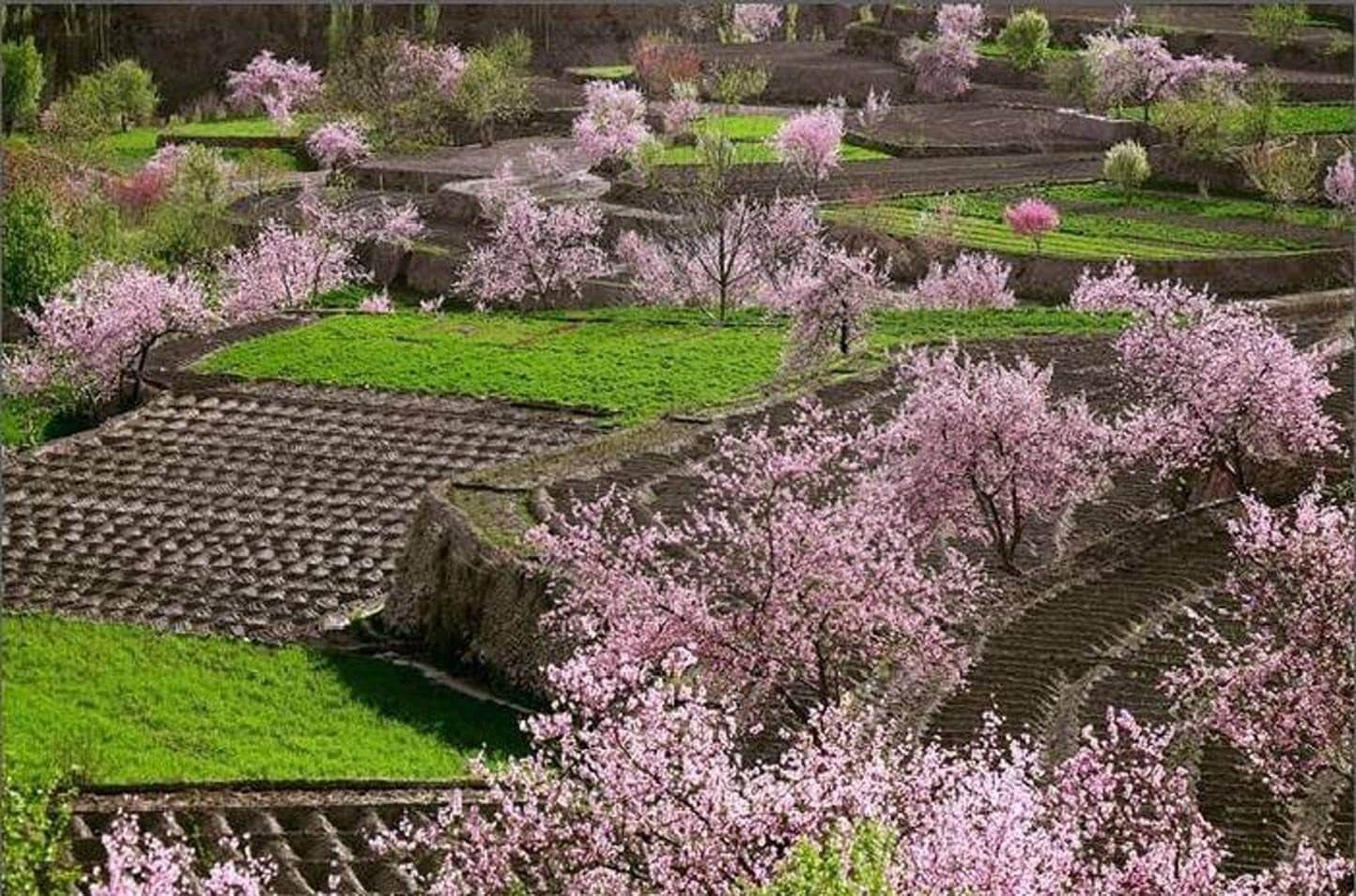
If witnessing Hunza covered in cherry and apricot blossoms is on your travel bucket list, timing your visit is essential. Cherry blossom season generally begins in late March and continues into early April. The first week of April is often considered the best time to experience the valley at its most colourful.
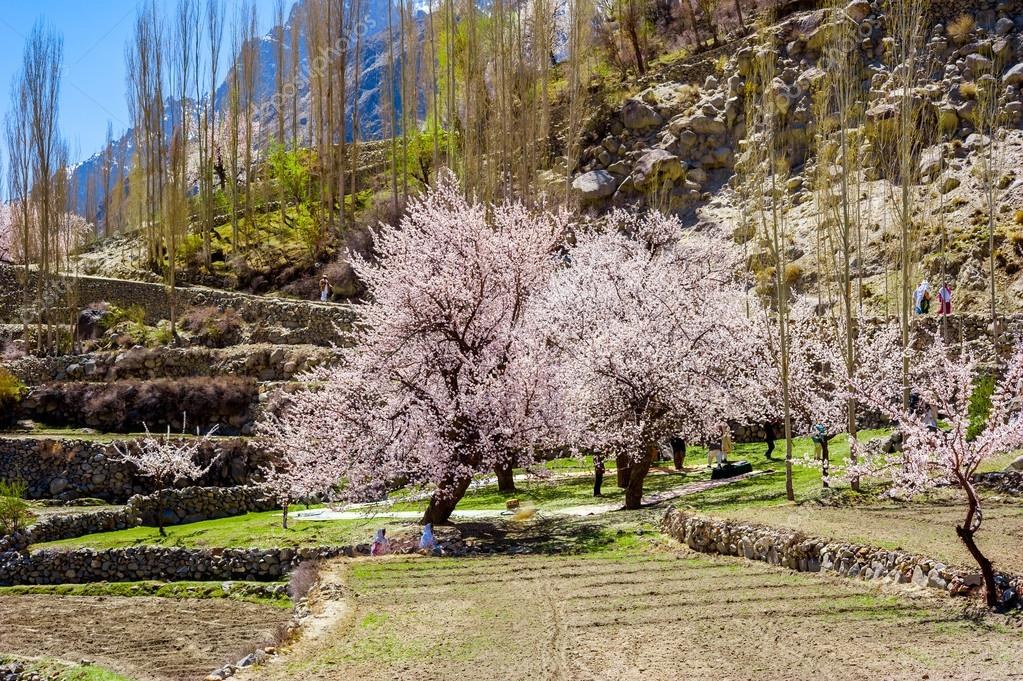
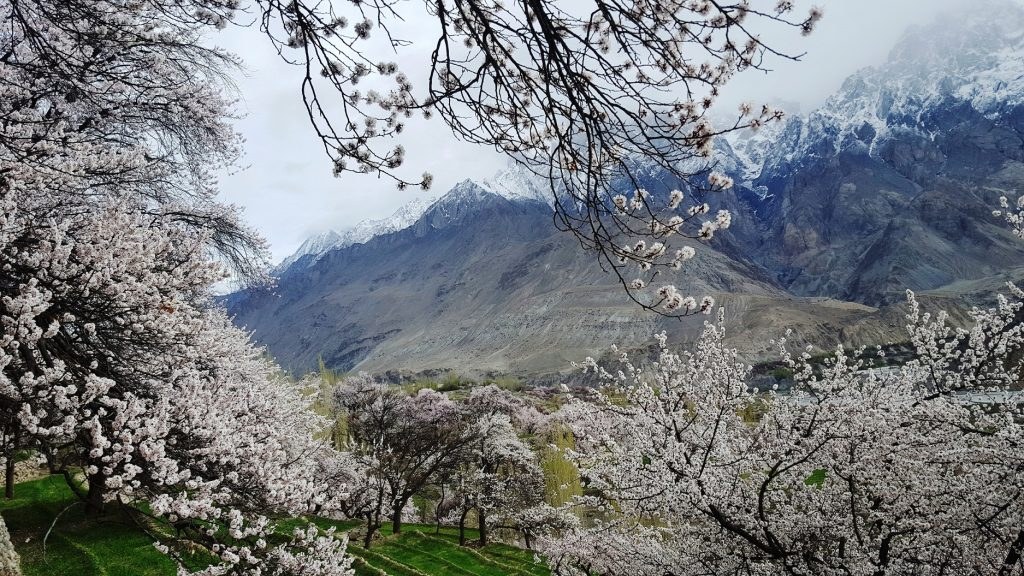
During this period, orchards around Karimabad and neighbouring villages burst into shades of pink and white. Apricot blossoms add another layer of beauty, creating a dreamy landscape against the dramatic backdrop of the Karakoram Mountains.
However, blossom dates are not fixed. Weather conditions, winter temperatures and the arrival of spring can influence when the trees begin flowering. Our recommendation: Plan your journey between 28 March and 15 April 2027, allowing some flexibility in your travel dates to maximise your chances of experiencing the blossoms.
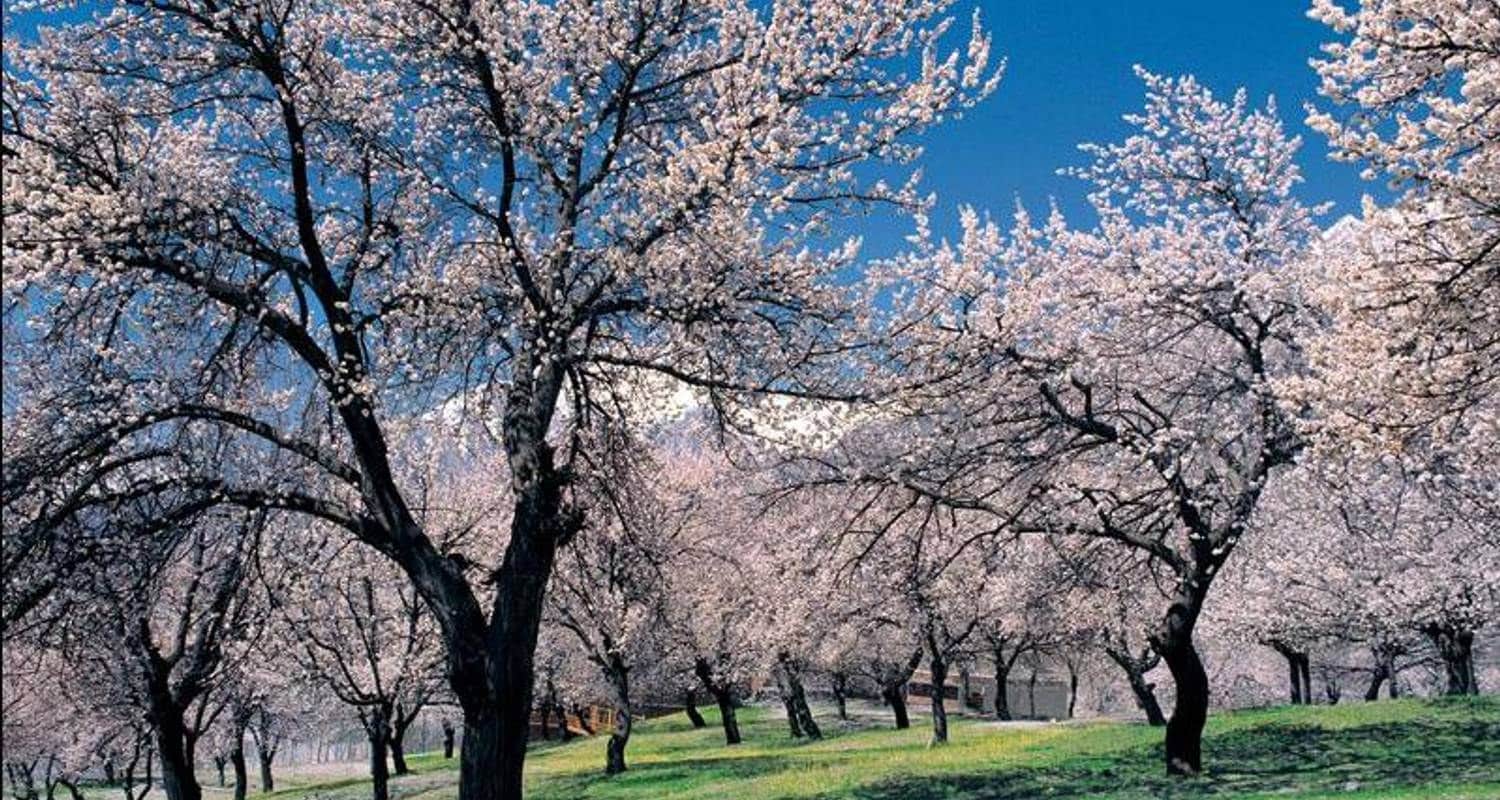
Spring in Hunza is not limited to cherry blossoms. Apricot trees are equally beautiful and can be found throughout the valley. Their delicate flowers transform traditional orchards into spectacular natural displays. Walking through these orchards, surrounded by centuries-old stone houses, traditional irrigation channels and towering mountains, is one of the most memorable experiences of a spring holiday in Hunza.
Spring is one of the most pleasant seasons for exploring Hunza Valley.
The weather gradually becomes warmer as winter fades away. Days are generally comfortable for sightseeing, photography and short walks, while evenings and early mornings remain chilly.
Typical spring temperatures include:
Rainfall is generally limited, although occasional rain or snowfall can occur, particularly at higher elevations.
The weather can also change quickly in mountainous regions. Travellers should remain flexible, especially when planning excursions towards Khunjerab Pass or other high-altitude destinations.
Every corner of Hunza has its own charm during spring. However, some locations offer particularly beautiful combinations of blossoms, traditional architecture and mountain scenery.
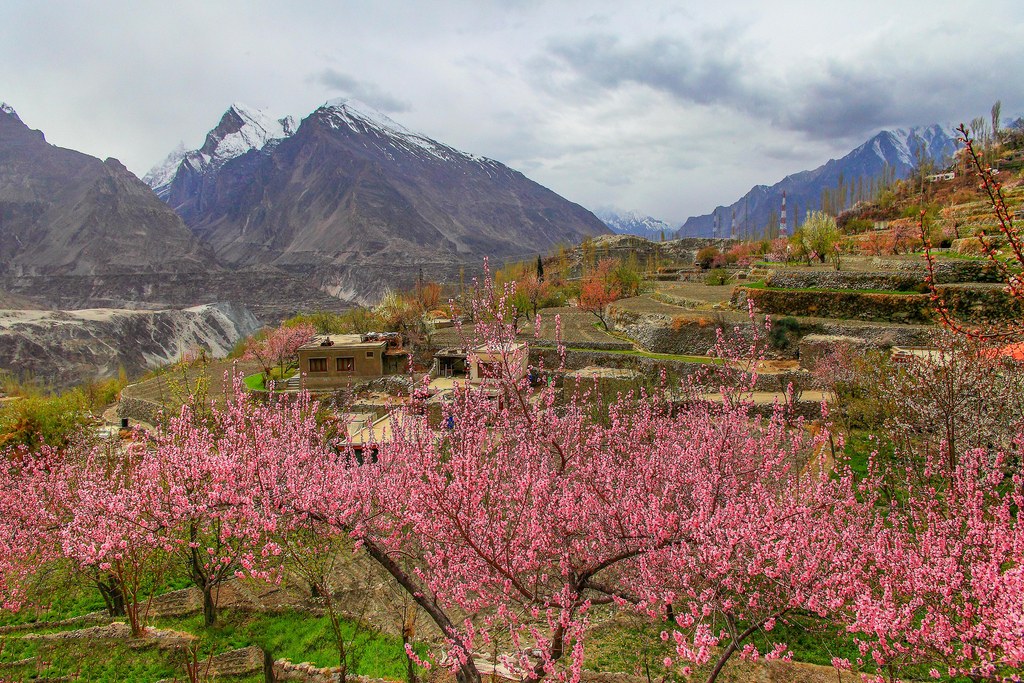
Karimabad is one of the best places to experience spring in Hunza. The historic town is surrounded by apricot and cherry orchards, traditional houses and spectacular mountain scenery. During blossom season, its narrow streets and terraced gardens become incredibly photogenic.
Take a leisurely walk through the old water channels, explore the local bazaar and enjoy traditional Hunza hospitality. The views of Rakaposhi and Ultar Sar make Karimabad an excellent destination for photographers and nature lovers.
Standing proudly above Karimabad, Baltit Fort is one of Hunza’s most recognisable historical landmarks. The centuries-old fort offers a fascinating glimpse into the region’s royal history, traditional architecture and cultural heritage. During spring, the surrounding orchards add beautiful colours to the historic setting. Visit in the morning for peaceful photography and panoramic views across the valley.
Altit Fort and the surrounding old village offer a wonderful opportunity to experience the traditional lifestyle of Hunza. The historic settlement features stone pathways, traditional homes, beautiful gardens and agricultural terraces. Spring transforms the surrounding orchards into a colourful landscape, making this one of the most atmospheric places to explore. Spend time walking through the village, discovering local traditions and enjoying the peaceful surroundings.
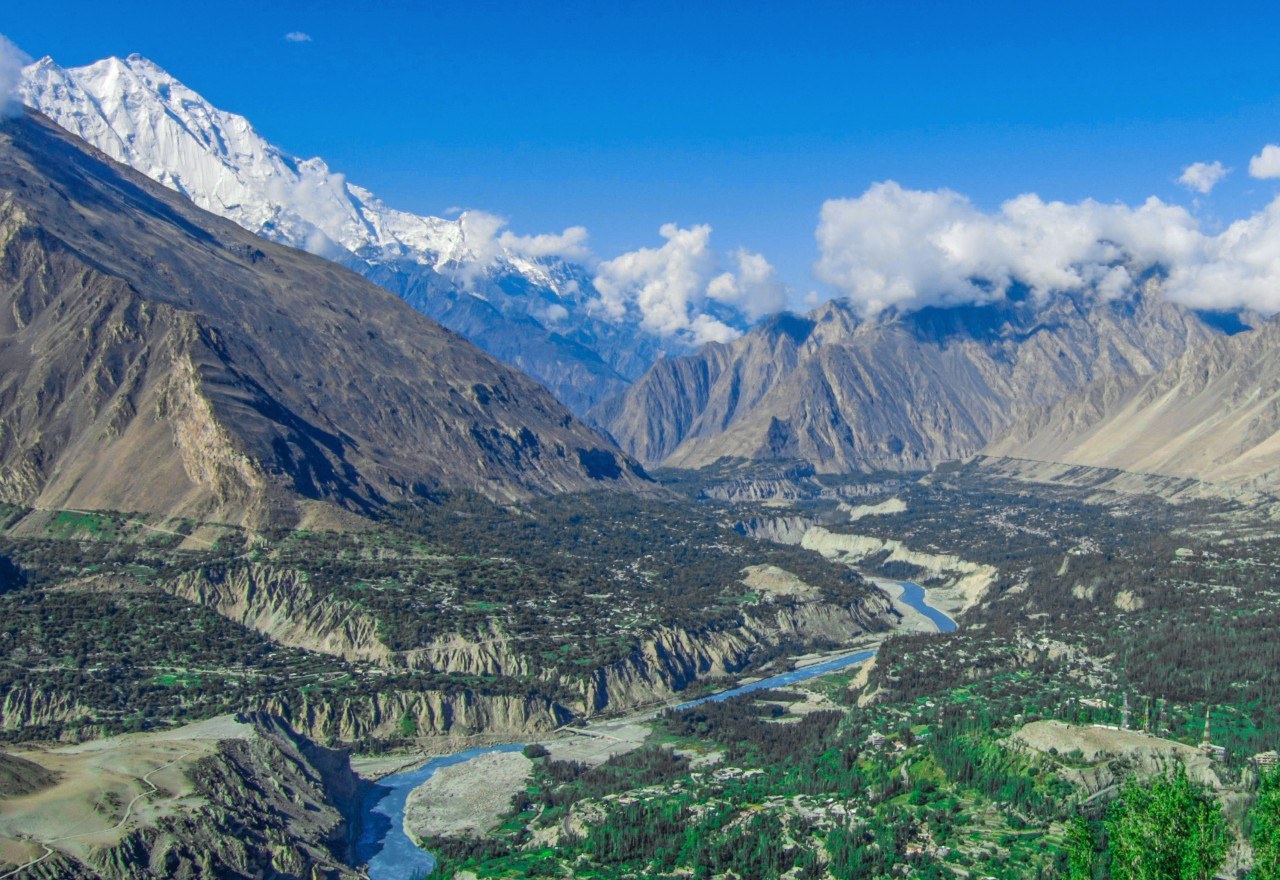
For breathtaking panoramic views, Eagle’s Nest in Duikur is a must-visit destination. Located above Karimabad, this famous viewpoint overlooks much of Hunza Valley and offers spectacular views of the surrounding mountain peaks.
During spring, the valley below becomes a beautiful mixture of blossoming orchards and green agricultural terraces. Sunset is particularly special. As the evening light falls across the Karakoram Mountains, the landscape changes into a stunning display of golden and pink colours. Do not forget your camera!
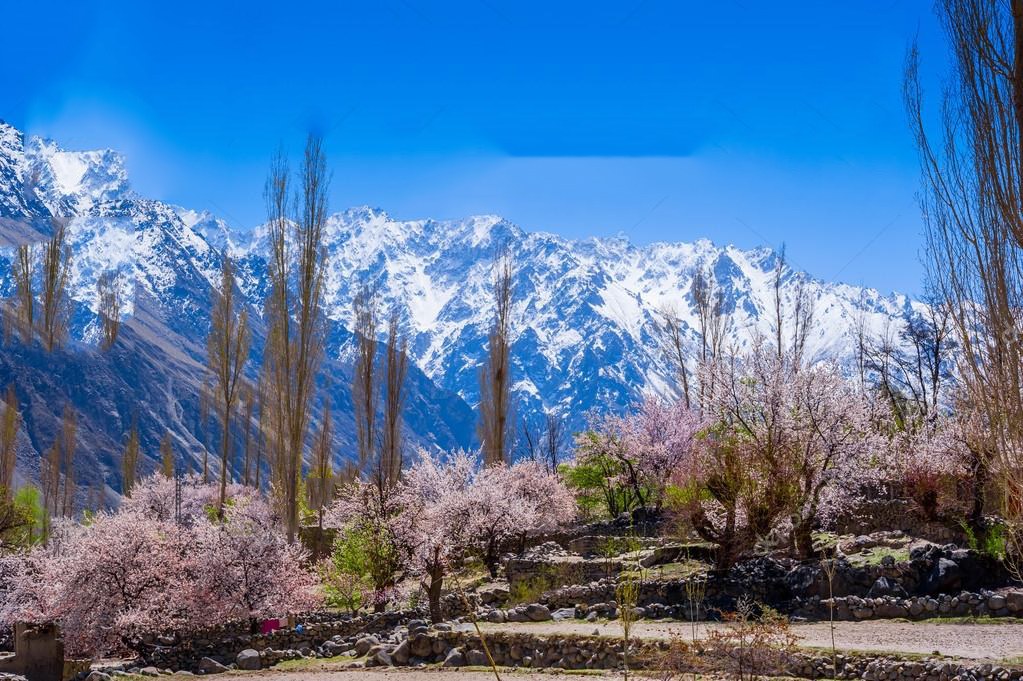
Gulmit is one of the most charming traditional settlements in Upper Hunza and an essential stop on a spring journey through the valley. Surrounded by magnificent mountains and traditional agricultural landscapes, the village offers an authentic introduction to Wakhi culture and local life.
Explore its peaceful streets, interact with welcoming residents, discover traditional houses and enjoy the surrounding mountain scenery. Spring brings fresh colours to the orchards and fields around Gulmit, creating beautiful opportunities for photography. Gulmit is also an excellent base for exploring nearby attractions, including Attabad Lake, Hussaini Suspension Bridge and the spectacular viewpoints of Upper Borith.
A spring holiday in Hunza is about much more than seeing cherry blossoms. The valley offers a wonderful combination of nature, adventure, culture and relaxation.
Here are some experiences worth including in your journey:
Capture the beauty of pink and white blossoms against snow-covered mountain peaks. Early mornings and late afternoons offer the best natural light.
Discover the fascinating history of Baltit Fort and Altit Fort while enjoying beautiful views of Karimabad.
Explore Karimabad, Altit and Gulmit to experience local architecture, mountain culture and everyday life.
Enjoy the incredible turquoise waters of Attabad Lake, one of the most beautiful natural attractions in Hunza. Depending on weather and operating conditions, you can enjoy a boat ride and admire the surrounding mountains.
Hopper Valley offers dramatic mountain scenery, beautiful landscapes and impressive views of Hopper Glacier. It is an excellent destination for travellers interested in glaciers, photography and natural beauty.
Explore the spectacular landscapes around Gulmit and the surrounding region, where dramatic mountains, traditional villages and glaciers create unforgettable scenery.
For an unforgettable mountain adventure, take a journey towards Khunjerab Pass, the famous Pakistan–China border crossing at approximately 4,733 metres above sea level. The journey offers spectacular mountain scenery and opportunities to spot wildlife, including Himalayan ibex. Access depends on seasonal road conditions and official opening arrangements.
Your spring adventure does not end in Hunza. The journey also introduces you to the natural beauty of Swat Valley, one of Pakistan’s most enchanting mountain destinations. Known for its lush green landscapes, flowing rivers, alpine surroundings and welcoming communities, Swat offers a wonderful contrast to the dramatic, high-altitude scenery of Hunza.
After experiencing the magnificent Karakoram Mountains, the journey through Swat allows you to discover another side of northern Pakistan. The valley is particularly beautiful during spring, when its landscapes begin to turn green and the rivers flow through the surrounding mountains.
During your stay, enjoy:
Depending on the available time and road conditions, travellers can also explore the surroundings of Mingora and nearby areas. Including Swat in the itinerary makes this journey more diverse, combining the blossom-covered orchards of Hunza with the refreshing green landscapes of another remarkable mountain destination.
Spring is a time of celebration in Hunza. As the orchards begin flowering and the valley welcomes warmer weather, local communities celebrate the arrival of a new season through cultural events and traditional festivities.
Depending on the year and local arrangements, visitors may have opportunities to experience:
Festival schedules can vary, so check local announcements before planning your visit around a particular event.
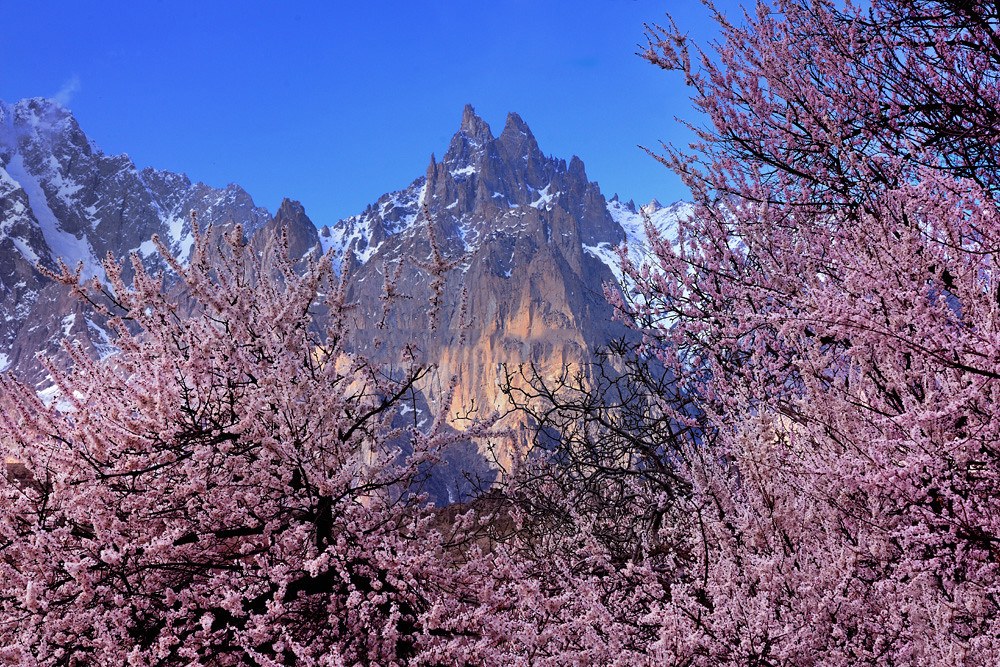
Hunza is a photographer’s paradise, particularly during spring. The combination of blossoming orchards, traditional villages and towering snow-covered peaks provides endless opportunities for beautiful photographs.
Here are a few tips to make the most of your photography experience:
No journey to Hunza is complete without experiencing its traditional cuisine.
The region is known for its simple, nutritious and flavourful food, often prepared using locally sourced ingredients.
Some local favourites include:
Take the opportunity to visit local restaurants and experience authentic Hunza hospitality.
Although daytime weather is usually pleasant, temperatures can drop considerably after sunset. Packing the right clothing and essentials will make your journey much more comfortable.
We recommend bringing:
If you plan to travel towards Khunjerab Pass, pack additional warm clothing because temperatures at high altitude can be significantly lower.
There are two main ways to travel from Islamabad to Hunza.
Flying from Islamabad to Gilgit is the quickest option when flights are operating.
After arriving in Gilgit, you can continue your journey to Hunza by road, which generally takes around 2–3 hours depending on your destination and road conditions. However, flights to Gilgit are highly weather-dependent and can be delayed or cancelled.
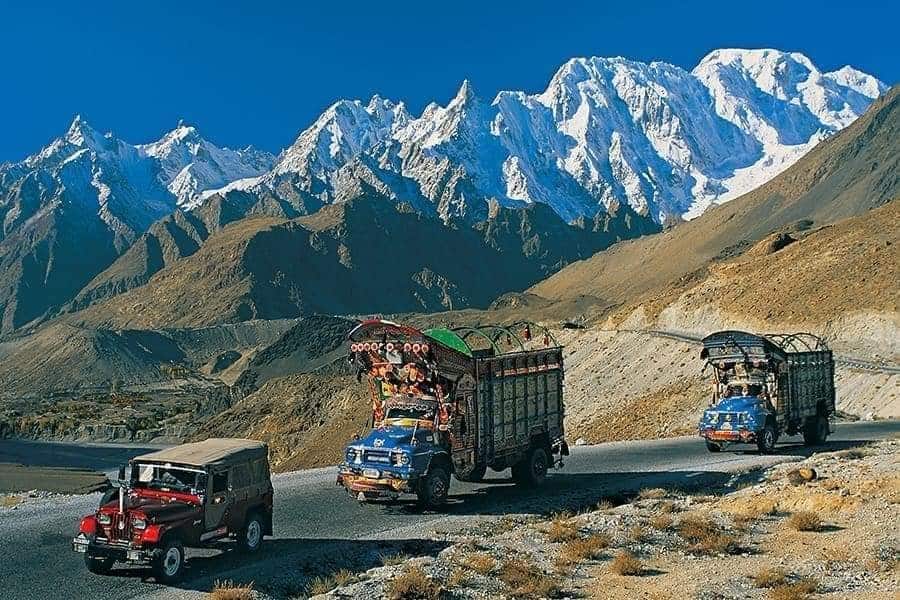
Travelling by road is one of the most rewarding ways to experience northern Pakistan. The journey from Islamabad to Hunza follows the legendary Karakoram Highway, passing dramatic valleys, rivers, mountain landscapes and traditional settlements. The drive generally takes around 12–14 hours of driving time and is best divided over two days.
Along the way, travellers can enjoy:
Our Hunza Adventure Tours itinerary also includes Swat Valley as part of the overall 10-day journey, offering a more diverse northern Pakistan experience.
Want to experience the beauty of Hunza without worrying about transport, accommodation and daily arrangements. Hunza Adventure Tours offers a carefully designed 10-day spring journey, combining the magical cherry blossom season of Hunza with the beautiful green landscapes of Swat Valley.
Our itinerary combines spring photography, historical sightseeing, traditional villages, glaciers, mountain viewpoints and unforgettable road journeys.
Begin your adventure from Islamabad and travel towards the beautiful Swat Valley via the scenic motorway and Malakand region. Enjoy spectacular mountain scenery, lush green landscapes and views of the Swat River. Explore the surroundings of Mingora and enjoy the peaceful atmosphere of this beautiful valley. Overnight stay in Swat.
After breakfast, depart for Chilas via the connecting mountain routes.Enjoy spectacular views of rivers, valleys and rugged mountain landscapes along the journey. Arrive in Chilas and relax at your hotel. Overnight stay in Chilas.
Continue your journey along the legendary Karakoram Highway towards Hunza. Enjoy spectacular views of the Indus River, the meeting point of three great mountain ranges and the magnificent Rakaposhi viewpoint. Arrive in Karimabad and settle into your hotel. Depending on blossom conditions, enjoy your first walk through the beautiful orchards. Overnight stay in Karimabad.
Discover the cultural and historical beauty of Hunza.
Visit the historic Baltit Fort and Altit Fort, explore traditional villages and enjoy relaxing walks through blossoming orchards.
In the evening, travel to Eagle’s Nest in Duikur to witness a breathtaking sunset over the Karakoram Mountains.
Overnight stay in Karimabad.
Explore the spectacular landscapes of Hopper Valley and enjoy beautiful views of Hopper Glacier. Continue towards Attabad Lake, famous for its stunning turquoise waters and surrounding mountains. Enjoy a boat ride if weather and lake conditions permit. Later, travel to Gulmit Village in Upper Hunza, where you can discover traditional Wakhi culture and enjoy the peaceful mountain surroundings. Overnight stay in Gulmit or Upper Hunza.
Discover the cultural charm of Gulmit Village and explore its traditional streets, historic houses and beautiful surroundings. Visit the famous Hussaini Suspension Bridge and enjoy spectacular views of the surrounding mountains. Continue towards Upper Borith for beautiful views of the Passu Glacier and surrounding landscapes. Overnight stay in Upper Hunza.
Enjoy an unforgettable full-day excursion to Khunjerab Pass, the spectacular Pakistan–China border crossing at approximately 4,733 metres. Experience breathtaking high-altitude landscapes, dramatic mountain scenery and opportunities to spot Himalayan wildlife. Return to Hunza in the evening, subject to road and weather conditions. Overnight stay in Hunza.
After breakfast, begin your return journey towards Chilas via the Karakoram Highway.
Enjoy scenic stops along the way, with opportunities to photograph the spectacular mountain landscapes and rivers. Overnight stay in Chilas.
Continue your journey towards Swat Valley, travelling through scenic mountain regions and connecting road routes. Arrive in Swat and enjoy the beautiful green surroundings, fresh mountain air and peaceful atmosphere. Overnight stay in Swat.
After breakfast, depart for Islamabad. Enjoy the final scenic drive through the beautiful landscapes of northern Pakistan. Arrive in Islamabad, bringing your unforgettable 10-day spring adventure with Hunza Adventure Tours to an end.
Note: This itinerary is subject to road conditions, weather, travel time and local access arrangements. The Swat–Chilas connecting journey requires careful route planning, and sightseeing stops may be adjusted accordingly.
At Hunza Adventure Tours, we believe that a memorable journey is about more than visiting famous attractions. It is about experiencing the destination, discovering its culture and creating meaningful memories.
Our team focuses on delivering enjoyable and well-organised journeys through northern Pakistan.
Our tour experience includes:
Whether you are travelling alone, with friends, as a couple or with family, our team will help make your spring holiday memorable.
Hunza is one of the most rewarding destinations in northern Pakistan for families who enjoy nature, culture and beautiful landscapes. Spring brings pleasant daytime weather, colourful orchards and plenty of opportunities for outdoor exploration.
Families can enjoy:
However, parents should remember that the road journey involves long driving days, and some destinations are located at high altitudes. Children should be kept warm, hydrated and comfortable throughout the journey.
Late March to early April is generally the best period, with the first week of April often offering peak blossom conditions. Exact dates depend on the weather.
The blossom season generally lasts around 2–3 weeks, although individual trees and locations may flower at different times.
Four to six days in Hunza is generally sufficient to explore Karimabad, the historic forts, Gulmit, Attabad Lake and nearby attractions. A 10-day trip is recommended if you also want to experience Swat Valley and travel from Islamabad by road.
Daytime temperatures are generally around 10°C–20°C, while nights and early mornings can be considerably colder. Warm layers are recommended.
Yes, provided the road and pass are officially open and weather conditions permit. Access is not guaranteed on every spring date.
Yes, many sightseeing locations can be enjoyed without strenuous hiking. However, the long road journey and high-altitude excursion to Khunjerab Pass should be considered when planning.
Hunza is a popular destination for domestic and international travellers. As with any mountain destination, follow local travel advice, monitor road conditions and use a reliable local tour operator.
Comfortable layered clothing, walking shoes, a warm jacket and sunglasses are recommended.
Cultural celebrations and blossom-related events may take place during spring. Dates and programmes vary each year, so confirm local schedules before travelling.
Yes. Our 10-day Hunza Cherry Blossom & Swat Valley Tour combines both destinations in one road journey, subject to road and weather conditions.
Yes. Spring is a popular photography and sightseeing season. Booking early gives you more flexibility when choosing travel dates and accommodation.
Spring in Hunza is a season you have to experience at least once in your lifetime.
Imagine waking up to views of snow-covered mountains, walking through orchards filled with pink and white blossoms, exploring ancient forts, discovering the cultural charm of Gulmit Village and watching the sun disappear behind the mighty Karakoram Mountains.
Now imagine extending that experience with the lush green landscapes, beautiful rivers and peaceful mountain surroundings of Swat Valley.
This is more than an ordinary holiday. It is an opportunity to discover two extraordinary destinations, experience the diversity of northern Pakistan and create memories that will stay with you long after your journey ends.
The blossom season is short, and the best dates can vary depending on the weather. Planning ahead is the best way to make the most of your journey.
Join Hunza Adventure Tours for our 10-Day Hunza Cherry Blossom & Swat Valley Tour 2027.
Explore the beauty of northern Pakistan with a local team, enjoy carefully planned travel arrangements and discover the mountains, culture and natural wonders of this remarkable region.
Your spring adventure in northern Pakistan starts here.
Visit Hunza Adventure Tours to explore the complete tour itinerary and send us your enquiry.